Ecological consultancy · Sussex, UK

Representing the best in ecology.

An experienced consultancy delivering protected species surveys, Biodiversity Net Gain and pragmatic ecological advice across the UK, from preliminary appraisal through to licensing and mitigation.

20+
Years experience
500+
Sites surveyed
40+
Species specialisms
100%
Licensed surveyors
RICSCIEEM RegisteredNatural England LicensedBNG SpecialistsDEFRA AlignedPhase 1 & 2 SurveyseDNA AnalysisSussex · UKRICSCIEEM RegisteredNatural England LicensedBNG SpecialistsDEFRA AlignedPhase 1 & 2 SurveyseDNA AnalysisSussex · UK
LPA experience

Built with the planner in mind.

We bring practical Local Planning Authority experience to every project, giving us a grounded understanding of the planning context in which ecology work sits. Our reports pre-empt the questions case officers actually ask, and our recommendations are written to hold up first time.
Our services

Project complete. Nature preserved.

Two decades in the field. Every survey led by a Natural England licensed ecologist and every report written to hold up under planning scrutiny, from first-stage appraisal through to licensing, mitigation and net gain.

01 / PEA

Preliminary Ecological Appraisal

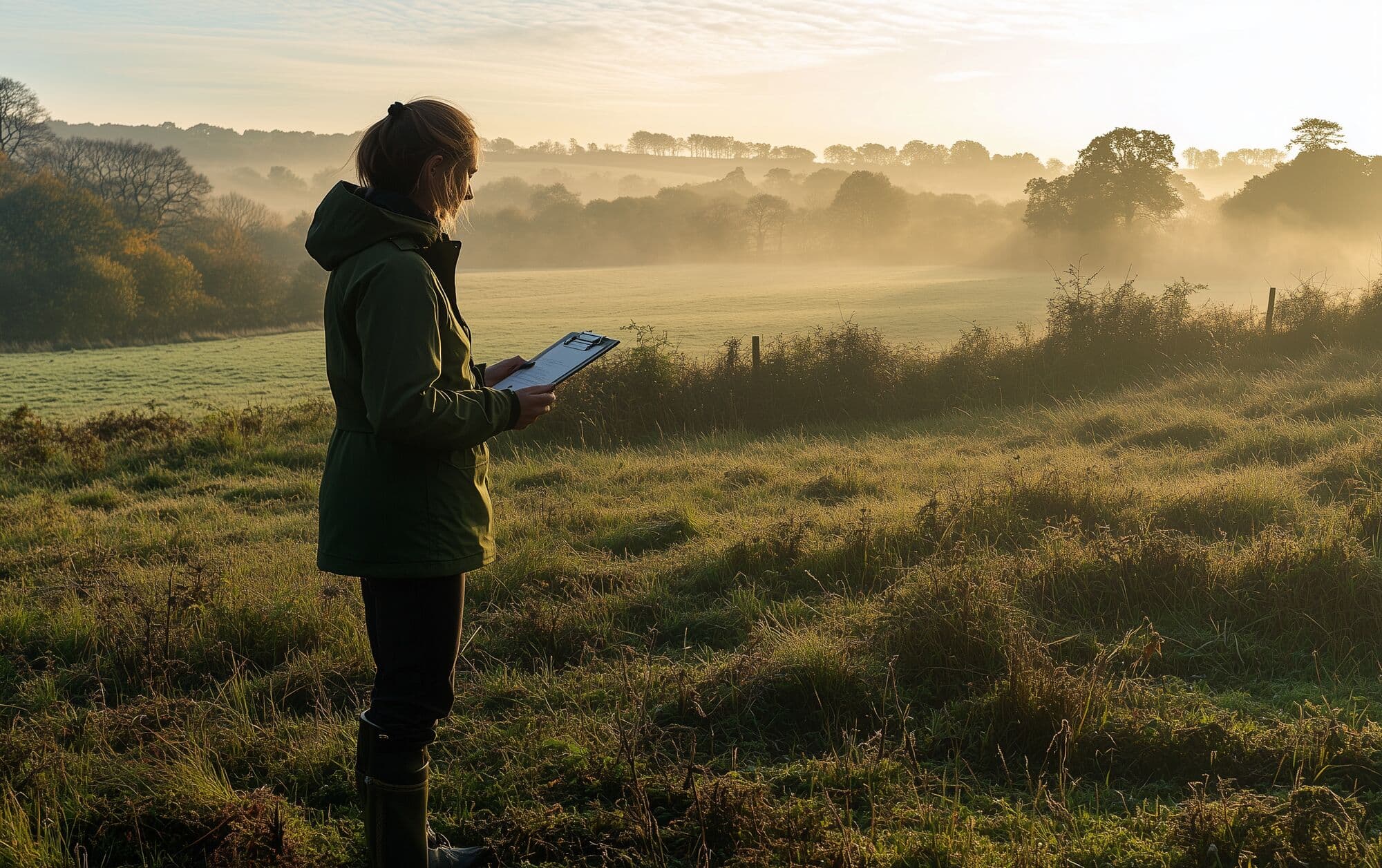
Initial site assessment for ecological value and protected-species potential: the foundation of any planning submission.

02 / GCN

Great Crested Newt Surveys

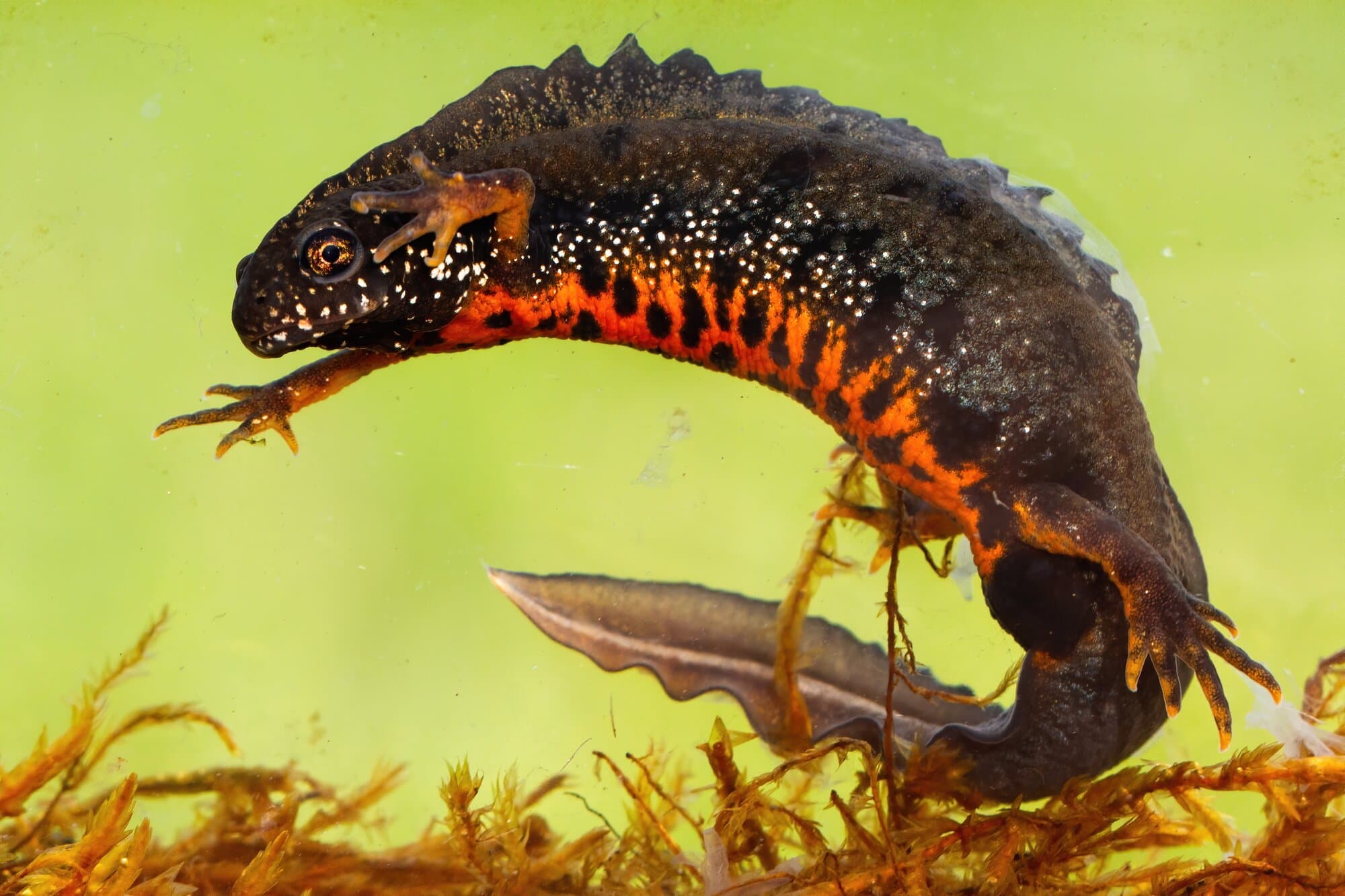
eDNA, presence/likely-absence and population class assessment, with habitat protection and conservation recommendations.

03 / BNG

Biodiversity Net Gain

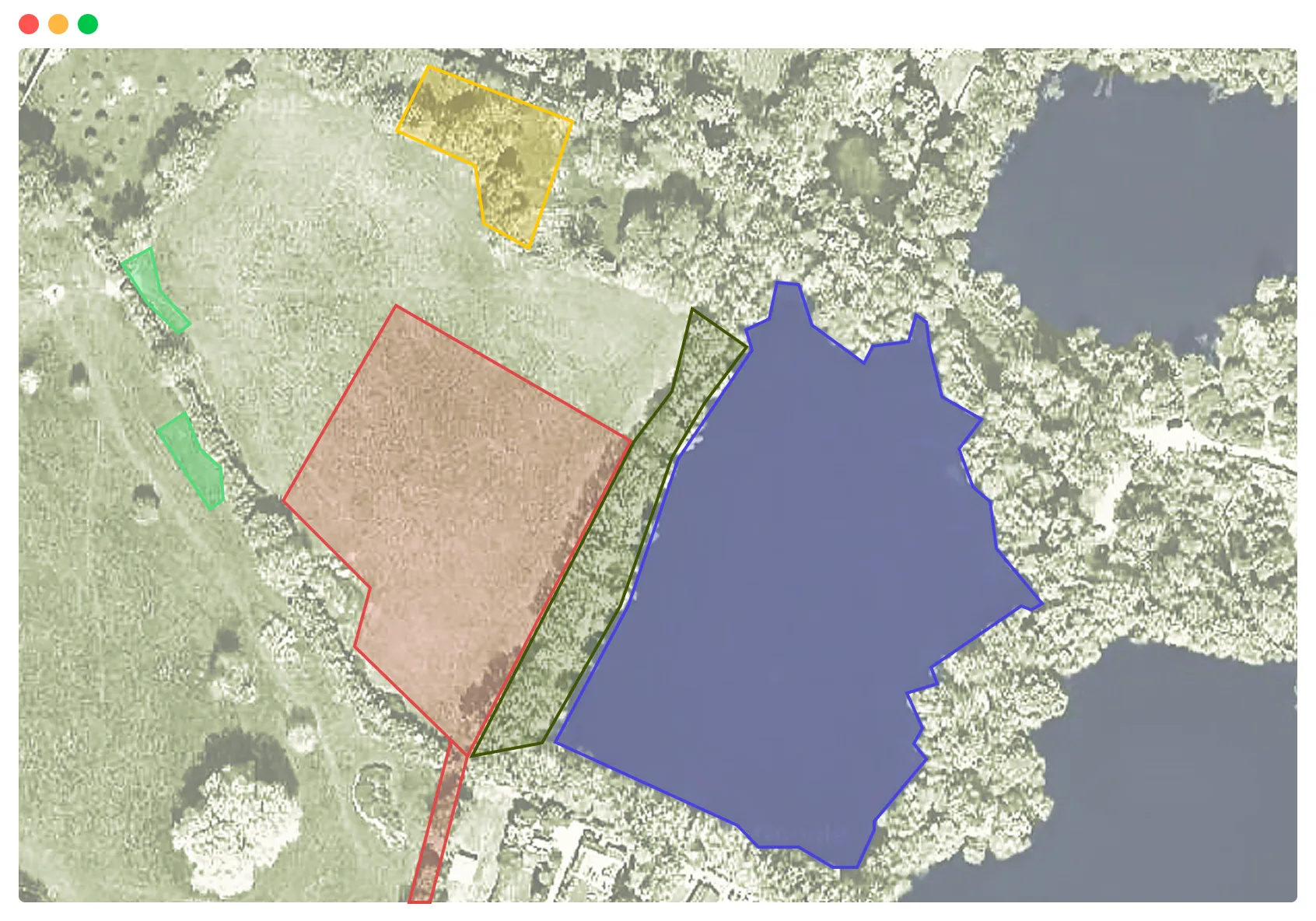
Statutory metric assessments and BNG strategy development to demonstrate the 10% uplift required by DEFRA.

04 / Reptiles

Reptile Surveys

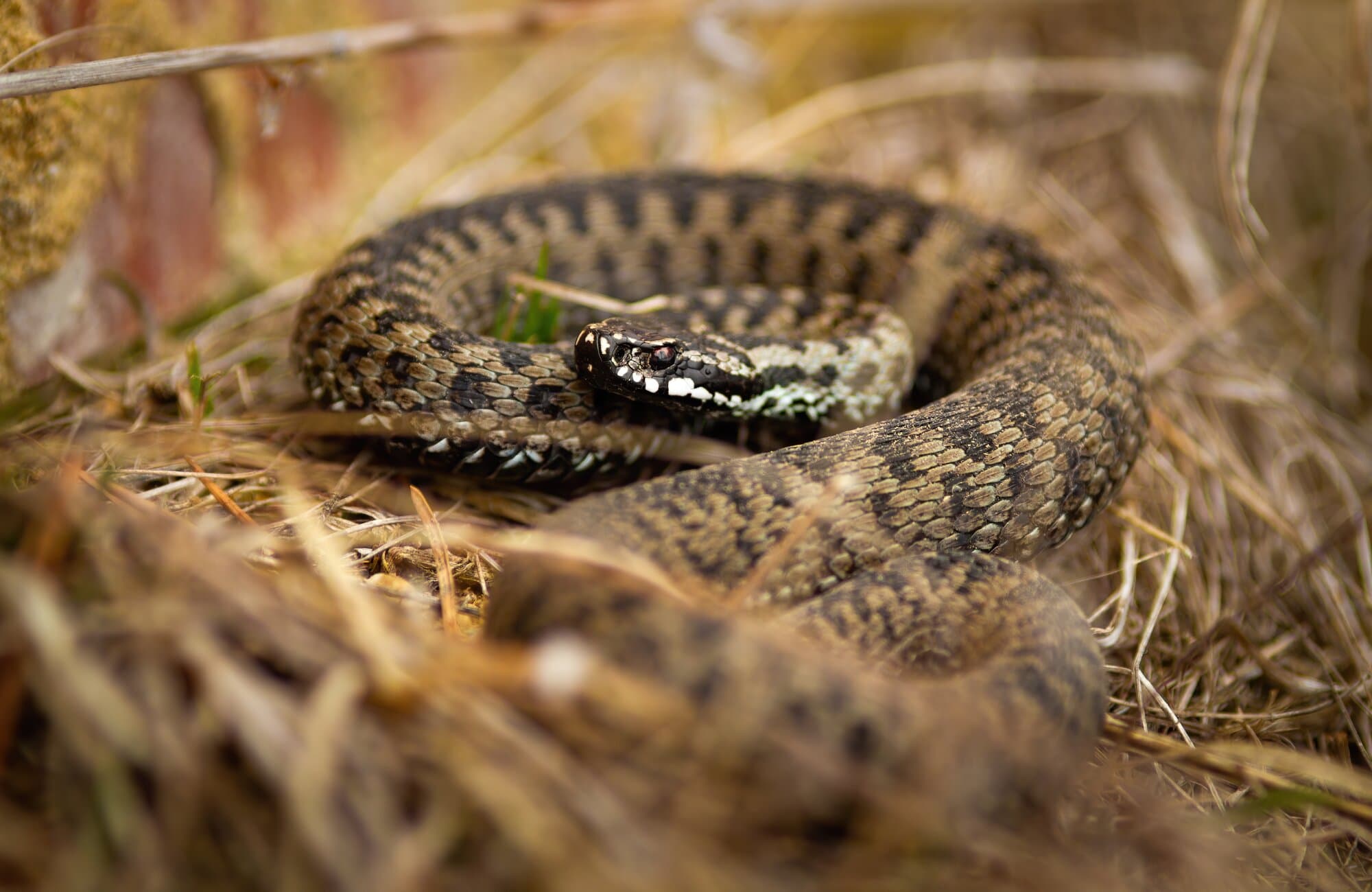
Tin and refugia surveys for adders, slow worms, common lizards and grass snakes, with mitigation design where required.

05 / Bats

Bat Surveys

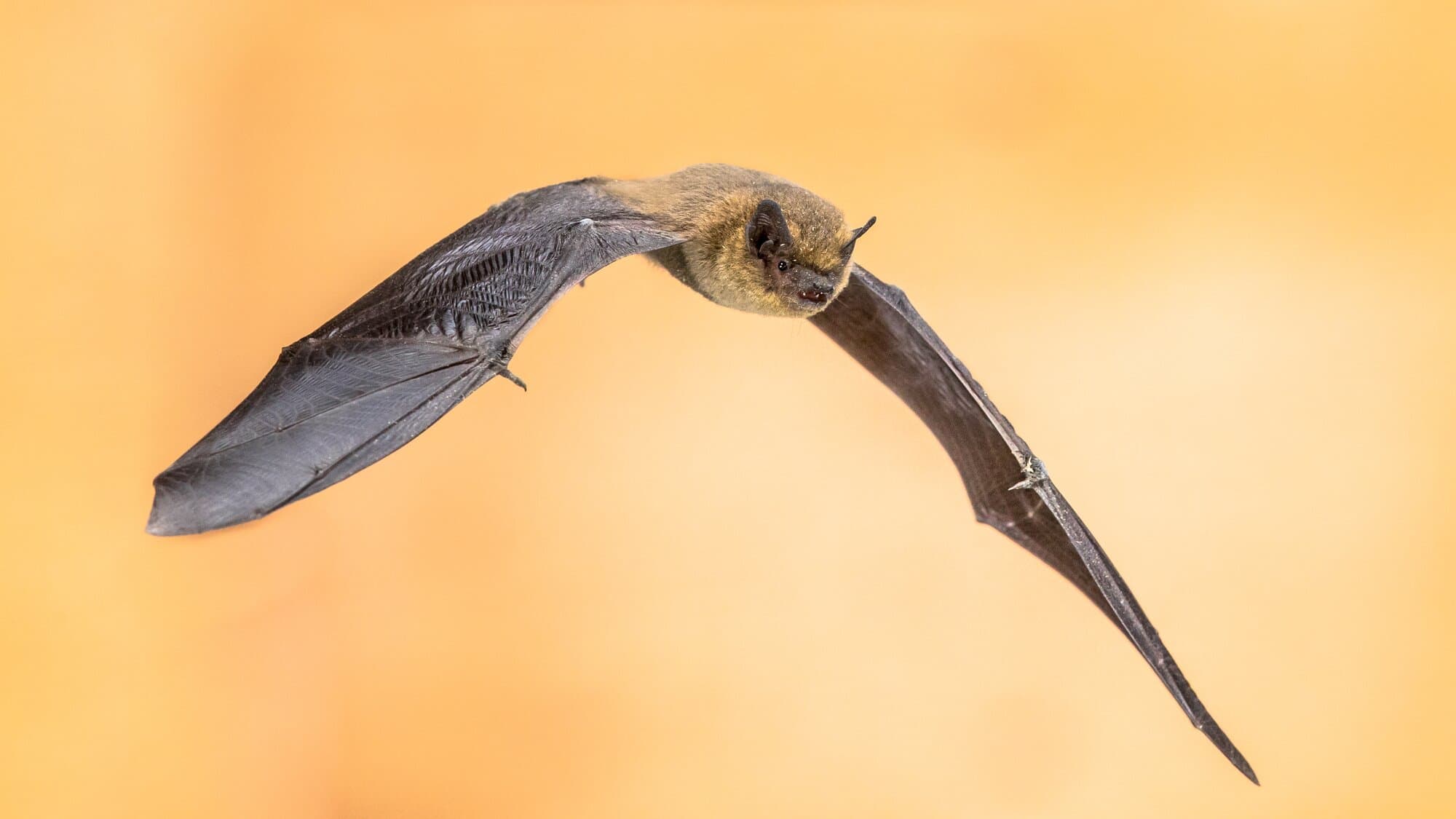
Preliminary roost assessments, dusk emergence and dawn re-entry, with licensing and roost-loss mitigation.

06 / Birds

Bird Surveys

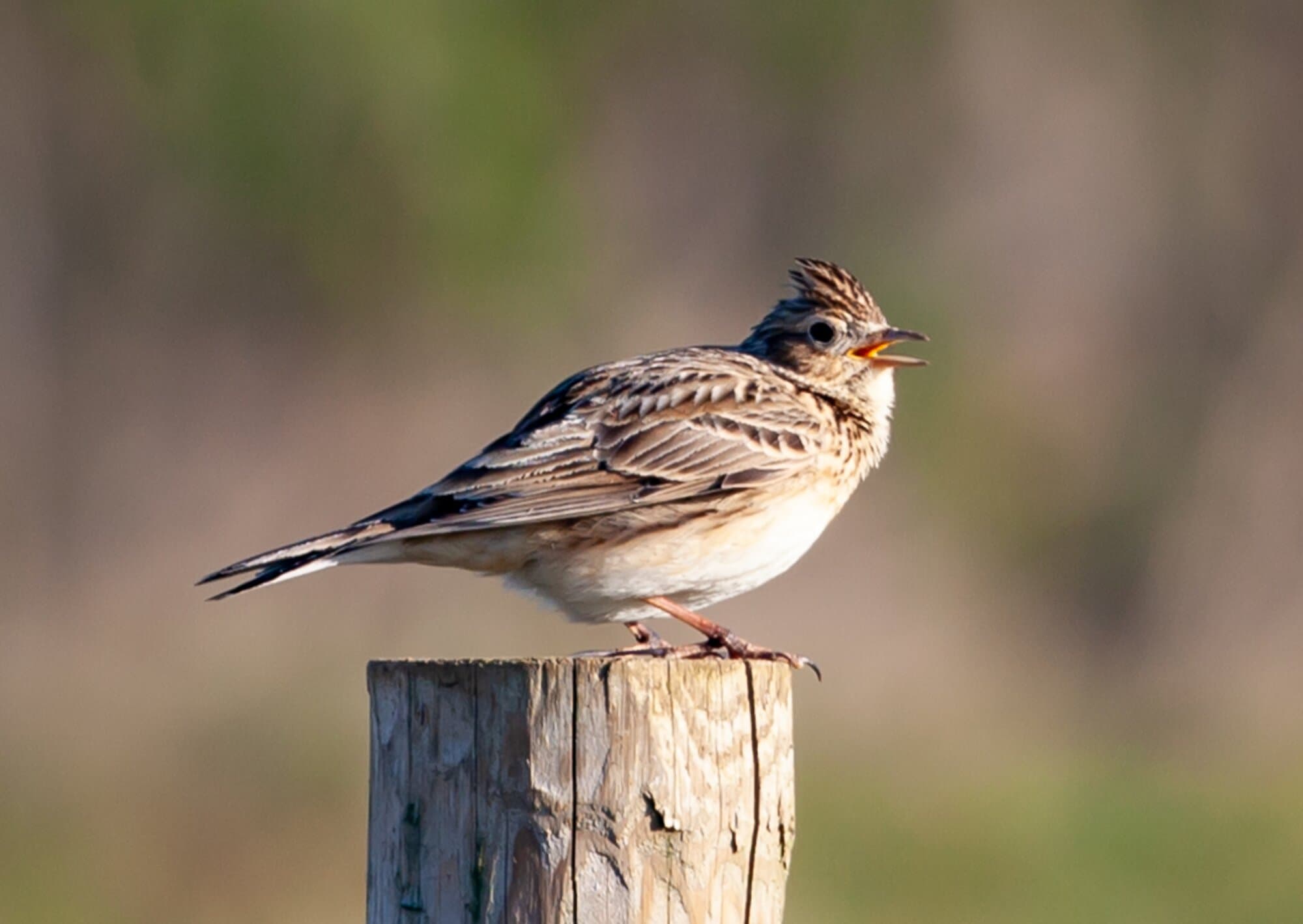
Breeding bird, wintering bird and vantage-point surveys, with protection of nests and associated habitats.

Specialist work

Where deeper expertise is required.

Many of our specialisms are unusually rare in the UK consultancy market. We have particular strength in invertebrates and molluscs, with on-site laboratory identification capabilities.

  • 01Mollusc Surveys
  • 02Aquatic Invertebrate Surveys
  • 03Terrestrial Invertebrate Surveys
  • 04River Condition Assessment
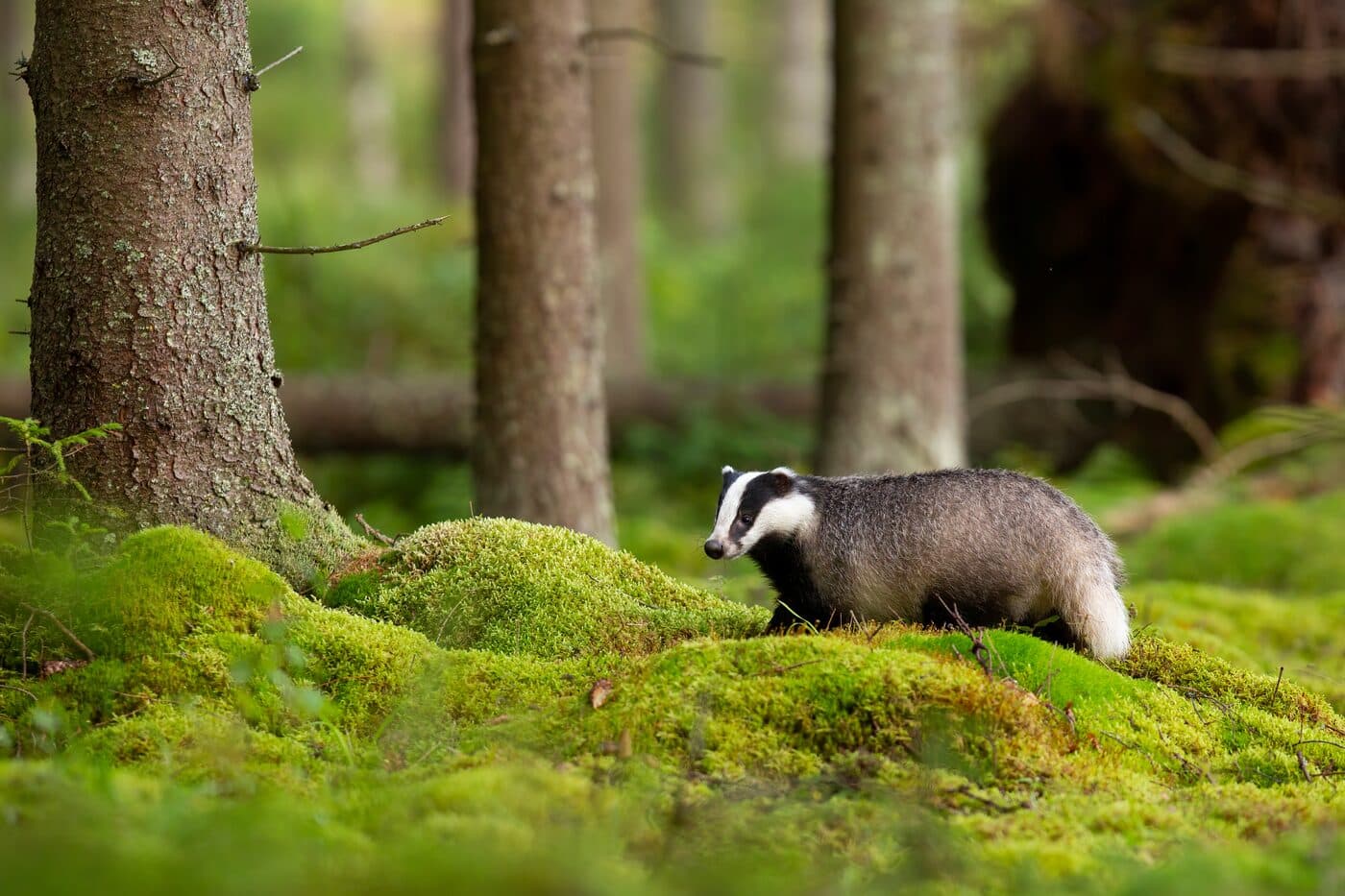
  • 05Badger Surveys
  • 06Barn Owl Surveys
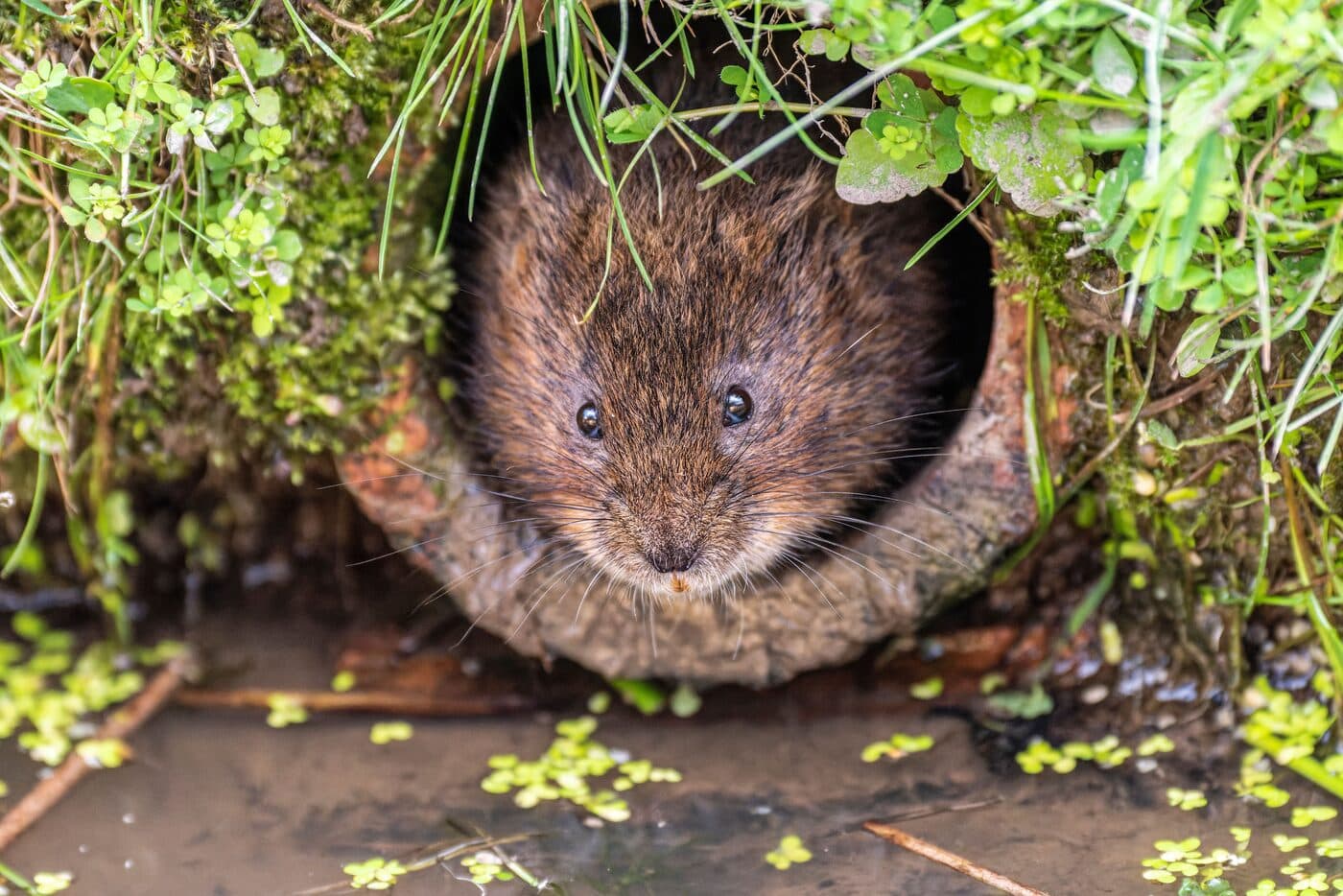
  • 07Water Vole Surveys
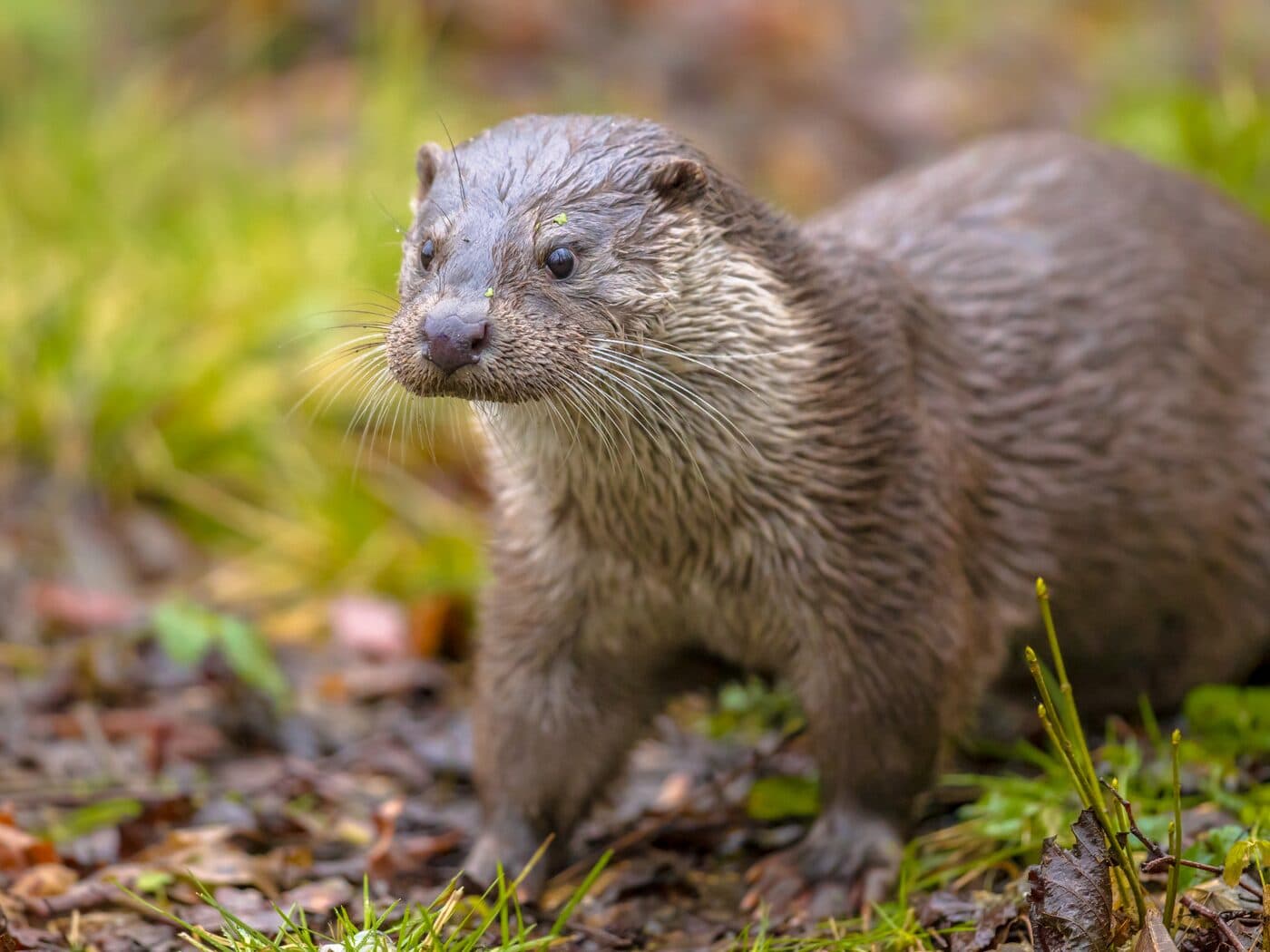
  • 08Otter Surveys
  • 09Botanical Surveys
  • 10Marine Intertidal Invertebrate Surveys
  • 11Electrofishing Surveys
Frequently asked

Answers to the questions we hear most often.

Can't see your question? Send us a note and we'll come back with a clear answer.

01Do I need an ecological survey for my planning application?+
In most cases, yes. UK local planning authorities require an ecological assessment whenever a site has potential for protected species or priority habitats. A Preliminary Ecological Appraisal (PEA) is usually the first step. It identifies whether further species-specific surveys are needed before your application can be validated.
02What is a Preliminary Ecological Appraisal (PEA)?+
A PEA combines a desk study (planning records, designated sites, biological records) with a daytime walkover of the site to assess habitats, identify protected-species potential and flag the surveys you'll need to submit with your planning application. It's the standard starting point for nearly every UK planning ecology project.
03What is Biodiversity Net Gain (BNG) and do I need it?+
BNG is a statutory requirement under the Environment Act 2021 that obliges most English planning applications to deliver at least a 10% measurable biodiversity uplift relative to the site's pre-development baseline. It has been mandatory for major developments since 12 February 2024 and for small sites since 2 April 2024.
04When can great crested newt surveys be carried out?+
The traditional GCN survey season runs from mid-March to mid-June, with at least four visits required for presence / likely-absence (two of which must fall between mid-April and mid-May). eDNA water sampling is permitted between 15 April and 30 June and can often shorten the overall timeline.
05When can bat surveys be carried out?+
Preliminary Roost Assessments (PRAs) can be undertaken year-round. Dusk emergence and dawn re-entry surveys for active roosts can only be carried out between May and September, with the optimal window being May to August. Hibernation surveys take place between December and February.
06What's the difference between a Phase 1 and a Phase 2 survey?+
Phase 1 surveys are broad habitat assessments: they classify what's on a site. Phase 2 surveys are species-specific and follow up wherever Phase 1 has identified potential, e.g. confirmed bat roost surveys, great crested newt eDNA testing, reptile presence / likely-absence surveys.
07How long does an ecological survey take?+
Turnaround depends on the survey type and the time of year. A PEA report typically arrives within 7–10 working days of the site visit. Protected-species surveys are constrained by ecology: bat dusk surveys need around three visits spread across summer, GCN presence / absence needs four to six visits across April–June.
08What is eDNA testing for great crested newts?+
Environmental DNA (eDNA) testing detects GCN presence from genetic traces left in pond water. A single water sample analysed in a Natural England-approved laboratory tells you whether GCN are using the pond. It's a faster, less invasive alternative to repeat bottle trapping, egg searching and torch surveys.
09Do you handle European Protected Species (EPS) licence applications?+
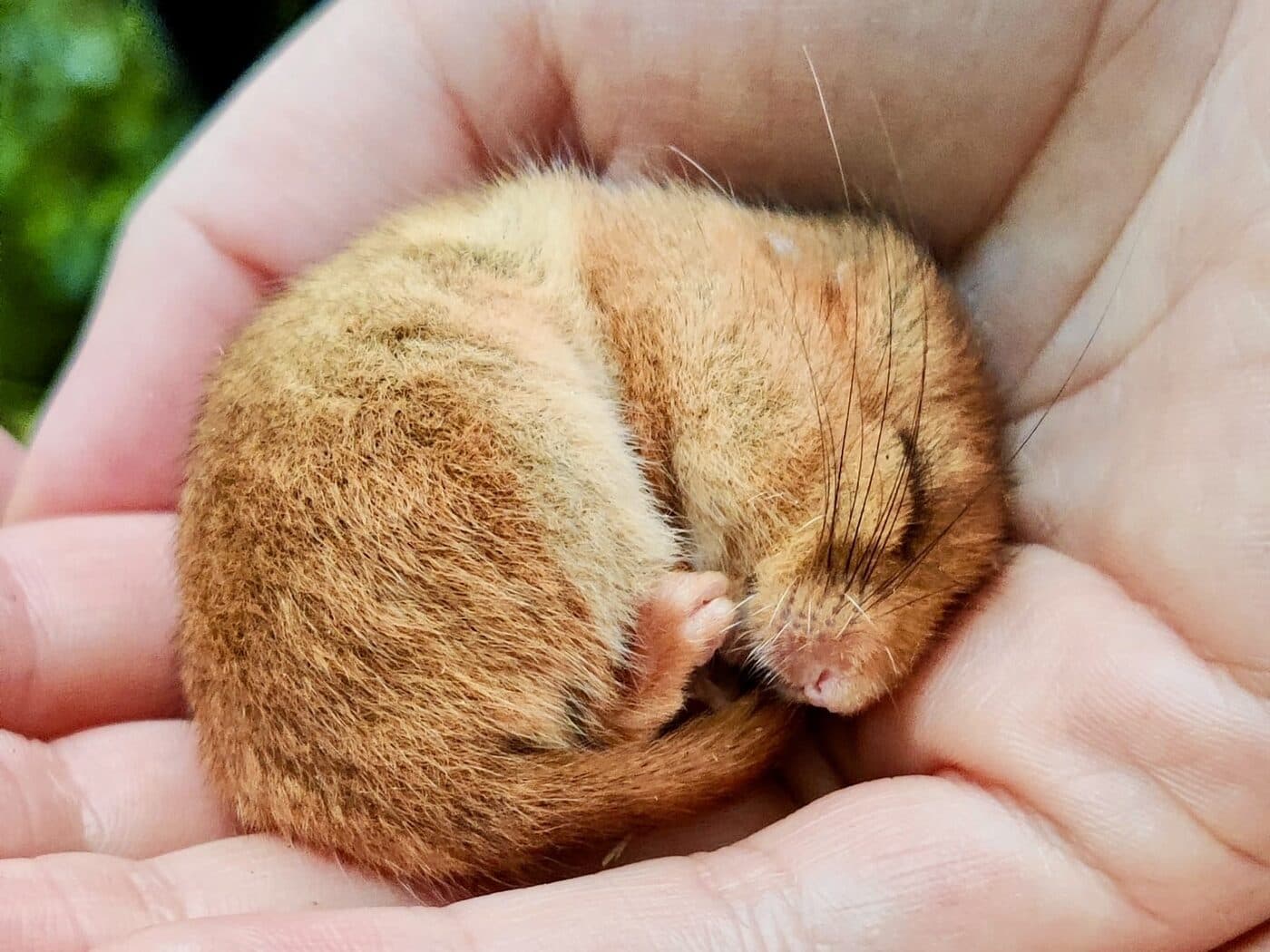
Yes. We prepare and submit EPS Mitigation Licence applications to Natural England for great crested newts, all UK bat species, dormice, otters and other European-protected species, including method statements, reasoned statements and post-licence compliance monitoring.
10Do you work outside Sussex?+
Yes. Our head office is in Pulborough, West Sussex, but we deliver projects across the United Kingdom. Get in touch with your site postcode and a short project description and we'll come back with a clear scope, indicative timing and a fixed quote.
Get in touch

Have a site that needs surveying?

Tell us about the project. We'll come back with a clear scope, timing and a fixed quote.